
Introduction: Why Industrial Property Matters Today
Industrial property refers to land or buildings used for manufacturing, storage, logistics, and distribution. In Malaysia’s evolving economy—driven by regional supply chain shifts, digitalisation, and export growth—industrial real estate has become one of the most resilient and opportunity-rich asset classes.
Whether you're an investor, business owner, or logistics operator, understanding this property segment can unlock significant long-term value.
Types of Industrial Properties in Malaysia
From large-scale manufacturing plants to agile logistics hubs, Malaysia’s industrial landscape is diverse enough to accommodate nearly any business need or investment goal. Here are some of the main types you'll encounter:
- Detached Factories: These are large, freestanding buildings that offer maximum autonomy. They are perfect for major manufacturing or export operations that require significant space and privacy.
- Semi-Detached Factories: Sharing one common wall with another unit, these properties are ideal for small and medium-sized enterprises (SMEs) looking for a balance between space efficiency and affordability.
- Terraced Factories: Arranged in a row, these compact and accessible units are great for light manufacturing, small-scale assembly, or local warehousing needs.
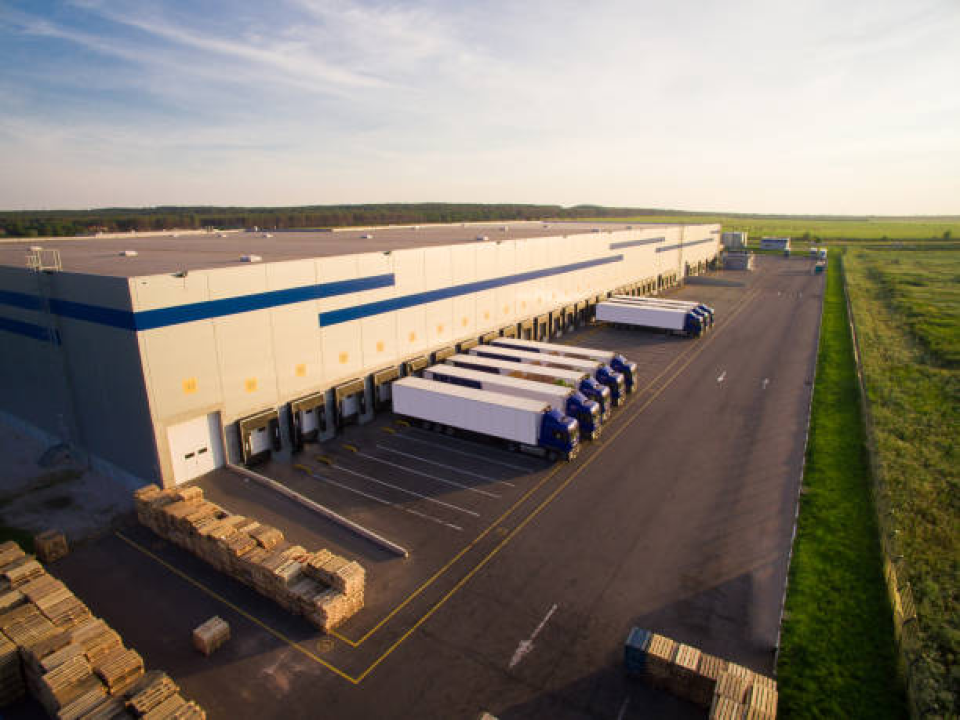
- Warehouses & Logistics Hubs: Serving as the backbone of e-commerce and global trade, these large-scale facilities are specifically designed to optimise storage, distribution, and supply chain management.
- Industrial Parks: These are specialised, master-planned zones that offer businesses essential amenities, robust infrastructure, and the benefit of ready zoning approval, creating a supportive ecosystem for growth.
Curious about the new trends shaping the industrial real estate landscape? You're not alone. The sector is constantly evolving, driven by technological advancements and changing market demands.
- The rapid growth of e-commerce and the rising need for cold chain logistics are significantly increasing demand for smart warehouses and cold storage. These facilities are essential for storing and transporting temperature-sensitive goods like fresh produce, pharmaceuticals, and frozen foods while maintaining optimal conditions.
- Investors are seizing opportunities in the market by repurposing older factories into modern facilities such as data centres, life science laboratories, and research and development hubs. These transformations allow for the utilisation of existing infrastructure while catering to the needs of high-growth industries.
- The halal food manufacturing industry is experiencing rapid expansion, especially in areas with strategic advantages like proximity to ports or easy access to highways. These locations ensure efficient distribution and meet the growing demand for halal-certified products locally and globally.
Investors should understand the key zoning classifications for industrial properties in Malaysia. These are divided into light, medium, and heavy industry, each with specific permitted activities, characteristics, and regulations that impact investment potential. Here’s a breakdown of each category.
Light Industry
Light industrial properties are designed for activities that have a minimal environmental footprint. These facilities are often located closer to residential and commercial areas due to their low levels of noise, emissions, and pollution.
- Permitted Activities: Warehousing, assembly, packaging, and small-scale manufacturing of non-hazardous goods.
- Requirements: Operations must not produce significant noise, smoke, odours, or pollutants that could disturb nearby communities.
- Why It Matters for Investors: Properties in this category are versatile and appeal to a broad range of tenants, including e-commerce logistics providers, tech hardware assemblers, and food and beverage packagers. Their proximity to urban centres often translates to strong rental demand and stable returns.
Medium Industry
Medium industrial properties accommodate more intensive manufacturing and processing operations than light industry. These activities may generate a moderate level of noise, effluence, and industrial waste.
- Permitted Activities: General manufacturing, metal fabrication, chemical processing, and food production.
- Requirements: These facilities require more robust infrastructure to manage waste, control emissions, and mitigate environmental impact. They are typically situated in designated industrial zones away from residential areas.
- Why It Matters for Investors: This sector supports Malaysia’s core manufacturing industries. Investing in medium industrial properties can yield higher returns due to the specialised needs of tenants. However, it also requires a more in-depth understanding of regulatory compliance and the operational demands of potential occupants.
Heavy Industry
Heavy industrial properties are intended for large-scale, capital-intensive operations that have a significant potential for environmental impact. These include activities that produce substantial noise, pollutants, and hazardous materials.
- Permitted Activities: Oil and gas refining, chemical manufacturing, steel production, and power generation.
- Requirements: These facilities are subject to strict zoning laws and environmental regulations, including comprehensive Environmental Impact Assessments (EIA). They must be located in specially zoned areas far from population centres and often require specialised infrastructure like dedicated port access or rail links.
- Why It Matters for Investors: While the most complex and regulated category, heavy industrial properties can offer significant long-term value. Tenants are typically large, established corporations on long-term leases, providing stable and predictable income streams. These investments are highly strategic and often involve substantial capital outlay.
Industrial Property Classification
Whether you're an investor, a business owner looking for a new location, or a developer, understanding the classification of industrial properties can provide a significant strategic advantage. This knowledge allows you to more accurately evaluate opportunities and make informed decisions that align with your specific goals.
- Class A: These are modern, state-of-the-art buildings with the highest specifications, designed to meet the rigorous demands of multinational corporations. They often feature advanced infrastructure, superior locations, and energy-efficient designs, making them a premium choice for high-profile tenants.
- Class B: While not as cutting-edge as Class A properties, Class B buildings are typically well-maintained and functional older properties. They present excellent value-for-money opportunities, particularly for smaller companies or those seeking cost-effective solutions without compromising on reliability.
- Class C: These properties are usually over 20 years old and may require significant refurbishment or upgrades to meet modern standards. However, they can unlock excellent value for investors willing to redevelop or repurpose them, potentially transforming an ageing space into a highly profitable asset.
According to Prologis, the way a property is used plays a key role in defining its type. Usage helps categorise properties, ensuring they are suited to specific needs and functions.
- Manufacturing facilities: These are equipped for heavy-duty operations, such as production and assembly lines, and often require specialised layouts to accommodate machinery and equipment.
- Storage & Distribution: Designed for warehousing and logistics, these properties are ideal for companies managing inventory or shipping goods on a large scale. Proximity to transportation hubs is often a key feature.
- Flex Space: These versatile properties combine office functions with light industrial use, making them perfect for businesses requiring a mix of administrative work and production or storage capabilities.
Evolution of Asset Value: Away From “Land and Sheds”
The days when a simple, standalone factory was enough are long gone. The industrial property market is undergoing a significant transformation. Here’s a look at how these properties are evolving to meet modern demands and stay ahead of the curve:
- Managed Industrial Parks (MIPs): Say goodbye to isolated factories. MIPs offer centralised management, high-speed internet, and shared infrastructure like waste management and security, ensuring long-term value and seamless operations.
- Sustainability is a Must (ESG Compliance): With the New Industrial Master Plan (NIMP) 2030, MNCs demand properties that are GreenRE or LEED-certified. Solar-ready roofs and energy-efficient systems aren’t optional any more. Properties that fall behind risk losing premium tenants and market appeal.
- Centralised Labour Quarters (CLQ): Workforce housing done right. With Act 446 compliance, CLQs provide up to 500 beds and essential amenities, ensuring smooth business operations while meeting housing standards.
- Strategic Location is Everything: Think beyond location—consider power and infrastructure. Areas like Tanjong Malim (EV hub) and Penang/Selangor (semiconductor parks) are hotspots for appreciation. High-voltage power and water cooling infrastructure are game changers for Malaysia’s booming data centre sector.
Why Investors Are Turning to Industrial Property
What's driving the recent surge of investor interest in industrial properties? Several key factors are making this asset class particularly attractive in today's market. Let’s break down exactly why so many forward-thinking investors are jumping on board and adding industrial real estate to their portfolios.
- Stable Rental Yields: With long-term leases ranging from 3 to 10 years, industrial properties offer a reliable source of steady income. Dependable tenants, such as manufacturers or logistics companies, ensure consistent cash flow, reducing the uncertainty seen in other asset classes.
- Capital Growth: Booming sectors like manufacturing, e-commerce, and logistics are fuelling demand for industrial spaces, driving up both rental prices and property values. As these industries expand, they create a ripple effect, making industrial real estate an increasingly valuable investment.
- Lower Market Risk: Compared to retail or office properties, industrial assets are more resilient to economic fluctuations. During downturns, e-commerce and essential manufacturing often remain steady, keeping industrial spaces in demand while other sectors may struggle.
- Loyal Tenants: Many industrial spaces are tailored to tenants’ specific needs, such as custom-built factories or warehouses designed for unique operations. This personalisation encourages tenants to remain long-term, significantly reducing the risk of vacancies and providing peace of mind for landlords.
Key Drivers of Demand in Malaysia
Several important factors are driving the strong demand for industrial real estate in Malaysia at the moment. These include various underlying economic and business trends that are contributing to a surge in interest and activity within this sector.
- The E-Commerce Boom: As online shopping continues its explosive growth, so does the need for sophisticated logistics infrastructure. This trend is driving significant demand for modern fulfilment centres, specialised cold storage facilities for perishable goods, and versatile third-party logistics (3PL) hubs that can handle complex supply chains.
- Strong Government Support: The Malaysian government has implemented attractive policies to encourage investment. These include valuable tax breaks for companies adopting automation, incentives for implementing green initiatives and sustainable practices, and favourable conditions for export-focused businesses, making the country a compelling destination for both local and foreign investors.
- An Export-Oriented Economy: Malaysia's well-established manufacturing base serves as a powerful engine for its economy. Combined with its strategic proximity to major trade hubs like Singapore, this creates a strong foundation for growth in the logistics and regional production sectors, fuelling the need for more industrial facilities.
- Prime Strategic Locations: Key industrial hubs such as Shah Alam, Kapar, and Bukit Raja are exceptionally well-positioned. Their proximity to major ports and highways ensures efficient distribution networks, while also providing businesses with ready access to a large pool of skilled talent.
Legal & Regulatory Factors to Consider
Before taking the leap, it's crucial to ensure you've checked all the necessary legal and regulatory boxes. Here's what you need to know:
- Land Tenure: Understand the key differences between leasehold and freehold properties. Your choice will depend on your long-term business goals, so it's important to know which option works better for your specific investment strategy.
- Zoning Rules: It's essential to confirm that the land is appropriately zoned for industrial use. Using land for a purpose it's not zoned for can lead to significant legal issues, so always verify this detail.
- Building Compliance: Your facility must fully comply with all relevant standards. This includes meeting safety regulations, ensuring proper utility access for water and electricity, and adhering to all environmental protection laws.
- Foreign Ownership: If you're an international investor, be aware of specific regulations that may apply to you. These can include minimum investment thresholds and other requirements designed to govern foreign ownership of industrial properties in Malaysia.
Top Industrial Hotspots in Malaysia
Ready to find the perfect location for your next industrial business venture? Malaysia offers various strategic regions, each with unique advantages. Here are a few standout areas that should be on your radar:
Klang Valley
- Shah Alam: A highly sought-after area known for its mature infrastructure, excellent connectivity, and solid ROI. It's a prime choice for businesses looking for a strategic and dependable base of operations.
- Bukit Raja, Kapar, Puncak Alam: These areas are increasingly popular with logistics and manufacturing businesses due to their strategic locations and growing industrial facilities. They cater well to industries requiring large-scale operations and easy access to transportation networks.
- Balakong, Puchong, Semenyih: Located close to Kuala Lumpur, these locations are ideal for light industries and last-mile delivery setups. Their proximity to the capital ensures efficient distribution and accessibility while maintaining lower operational costs compared to city-based options.
Johor
- Senai and Pasir Gudang: These fast-growing zones offer excellent cross-border opportunities due to their proximity to Singapore, making them ideal for businesses looking to tap into regional trade and expand their market reach. Both areas are equipped with growing infrastructure and cater especially well to logistics, warehousing, and manufacturing needs.
Penang
- Batu Kawan and Bayan Lepas: Known as hubs for electrical, electronics, and advanced manufacturing industries, these locations are renowned for their strong support systems, skilled workforce, and access to global supply chains. Businesses here often benefit from Penang’s status as a technology and innovation hub.
Negeri Sembilan
- Nilai and Seremban: Emerging as regional hubs with significant potential, these areas are particularly strong in logistics and food distribution due to their strategic central location and proximity to major highways. Nilai and Seremban are becoming go-to choices for businesses seeking cost-effective yet efficient setups that can serve multiple regions seamlessly.
Malaysia’s Industrial Economy: A Macro View
- In 2024, Malaysia's manufacturing sector demonstrated its strength by recording RM84.3 billion in approved investments, a clear indicator of robust investor confidence (MIDA).
- High-tech manufacturing, the burgeoning halal industry, and logistics continue to attract significant Foreign Direct Investment (FDI), signalling a strategic shift towards these high-growth sectors.
- As operational costs in neighbouring Singapore rise, a growing number of companies are choosing to relocate their warehousing operations, including specialised facilities for dangerous goods storage, to more cost-effective locations within Malaysia.
The saying “Land is the new gold” is becoming a reality in the region. Malaysia is strategically positioned to absorb this industrial migration, thanks to its compelling combination of cost efficiency, well-developed infrastructure, and strong government support.
How Industrial Malaysia Can Help
We Feeling aspired to explore your options in Malaysia's thriving industrial landscape? We’re here to help you navigate every step of the process.
- Get expert guidance tailored to your unique business needs. Whether you’re searching for the perfect plot of land, looking for ready-built factories, navigating the complexities of regulatory approvals, or benchmarking your potential ROI against industry standards, our team has you covered.
- Count on us to simplify your search. We provide comprehensive site visits and connect you exclusively with vetted property listings and trusted, professional negotiators to ensure you get the best possible terms.
- Let’s work together to make your industrial investment in Malaysia a venture that is smooth, strategic, and ultimately successful.
Ready to take the next step toward securing your industrial investment? Contact us via WhatsApp for detailed property insights, personalised recommendations, and a curated list of up-to-date opportunities that align perfectly with your business goals. Your opportunity awaits—let’s build your future in Malaysia together.
